Founder & Director
Meet Laurie.
Why this work, why this company, why now.
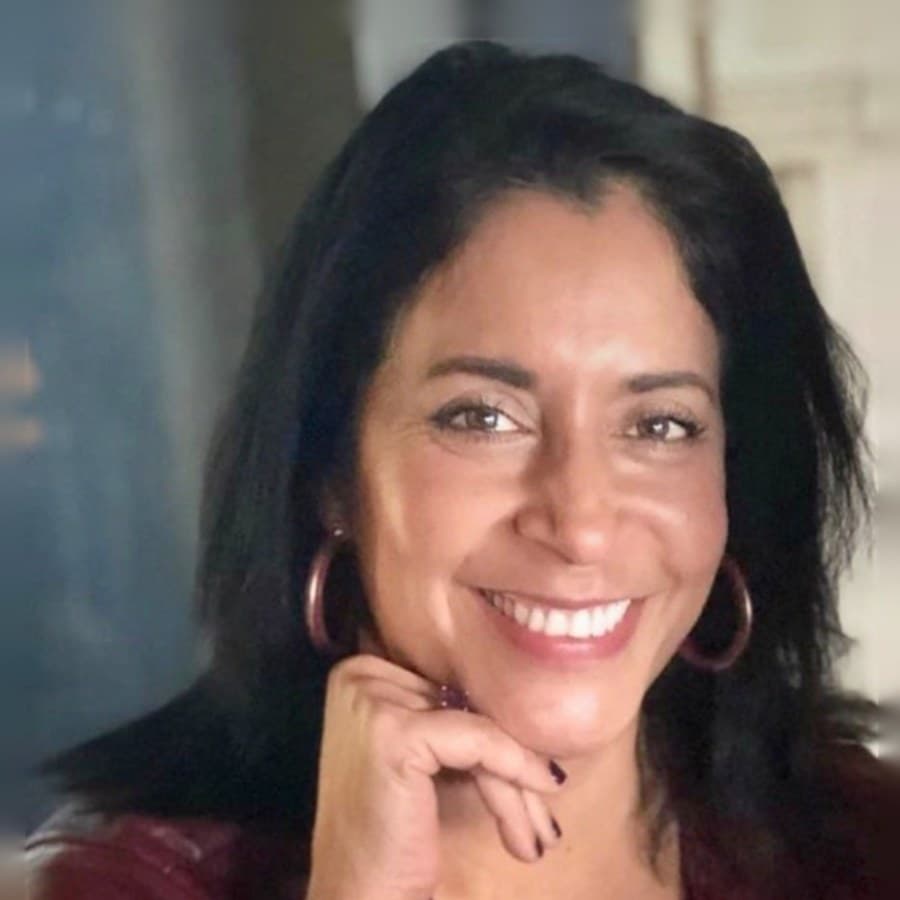
Laurie Suarez, M.Ed., LDT-C · Founder & Director
In her words
The short version.
I started taking interpreting jobs at Early Intervention evaluations in Morris County, because therapists couldn’t find anyone who spoke a family’s language and understood early-intervention vocabulary at the same time. The agencies they were calling specialized in one or the other. I had spent years interpreting in courthouses and clinics; I had also sat at a kitchen table with a service plan in front of me trying to make sense of it on someone else’s behalf. I learned the Part C vocabulary fast, because I had to.
What I noticed in those visits was the same thing every time. The therapist would walk the family through the evaluation, the parent would nod — and the interpreter, when one had been sent at all, was working cold: not told the child’s name, the agenda, or the language the consent form was actually written in. The parent would leave the room without a clear answer to whether their child was getting what they needed. The terminology was hard. The acronyms were endless. The gap wasn’t interpretation — it was interpretation done cold.
Educational Translation Services was founded in the early 2000s as an EI agency, and the work grew with the children. The same families whose toddlers we interpreted for in living rooms came back five years later asking for help at an IEP meeting. The K-12 vocabulary was different — IDEA, FERPA, procedural safeguards — but the pattern was identical. So we built the same standards into both: the interpreter has to read the IFSP or the IEP before the meeting. They have to know the difference between speech therapy and occupational therapy. They have to be able to sight-translate a consent form on the spot — because that is what informed consent under IDEA actually requires.
Today we work nationwide, with our deepest roots in New Jersey. Early Intervention is still core to the practice — evaluations, IFSP meetings, in-home related services — alongside the school-age work: IEP meetings, parent-teacher conferences, document translation. Every interpreter on our roster is vetted for the work, briefed on the case before they walk in, fingerprinted, and bound by FERPA and NJEIS confidentiality.
What you'll find when you call
No script. No bait-and-switch.
When you call or send a note, a person reads it the same business day. We ask three things: the language, the date and place of the meeting or document, and one sentence on the situation. That is enough to confirm whether we’re the right fit and to send a quote back.
If we’re a fit, we book an interpreter who has done this work before — Early Intervention, K-12 special education, or both. They get the agenda and any documents in advance. They show up prepared. After the visit or meeting, we ask for feedback — from the service coordinator or case manager, from the family, from the interpreter — and we use it to make the next assignment better.
If we’re not the right fit, we say so. There is plenty of work out there; we don’t need to take an assignment we can’t do well. When that happens we will tell you who to call instead.
Talk to Laurie's team
Most calls start the same way.
Tell us what you're working on. We'll tell you whether we're the right fit.